
As we move into the warmer months you may be asking yourself, “Is an AC tune up really necessary?” It’s a common question that we frequently hear, and the
short answer is “yes”, and here’s why.
- Your AC unit is a major investment. Annual AC tune ups can add years to your unit’s life.
- Your family’s safety and comfort are important – especially when the mercury climbs into the triple digits in July and August. An AC tune up can ensure that your unit is up to the task, and can help you avoid the inconvenience and added cost of an emergency repair.
- Electricity costs are on the rise. Making sure your unit is working at peak efficiency can keep you from paying more than you should on cooling costs.
What are the Benefits of an Annual AC Tune Up?
The truth is, annual AC tune ups are a very cost-effective way to ensure that your AC unit is working at peak efficiency, which will extend the life of your unit, and help control your monthly utility costs.
Annual tune ups are also a great way to identify and fix small issues before they turn into larger, costlier problems. For example, a clogged AC condensate drain is easy to repair if the problem is detected early on, however, over time it can lead to other problems including mold growth, damaged sheetrock, and corrosion of your home’s HVAC system. These problems can result in repairs that are far more expensive than the cost of an AC tune up.
What’s the Difference Between an AC Tune Up and an AC Inspection?
Different companies use different terms, but there is really no difference between an AC tune up and an AC inspection. Both of these services accomplish the same goals – to make sure your AC unit is in proper working condition, and identify potential problems that could be negatively affecting your unit’s efficiency.
What’s Included in an AC Tune Up?
The answer to this question depends largely on the company doing the tune up. As with most things in life, when it comes to AC tune ups – you usually get what you pay for. What might seem like a “great deal” may actually end up costing you more in the long run.
Some AC repair companies in the Dallas / Fort Worth area offer “16-point AC tune ups” or “24-point AC inspections”, without disclosing exactly what those “points” are. Any reputable AC repair company will tell you exactly what is included in their AC tune up service. A thorough AC tune up should include the following:
- Inspect blower and components
- Examine voltage and amperage
- Check for proper refrigerant level
- Lubricate all moving mechanical parts
- Check operating temperatures
- Inspect all electrical connections
- Inspect the main drain line
- Examine all safety controls
- Check outside condensing coil
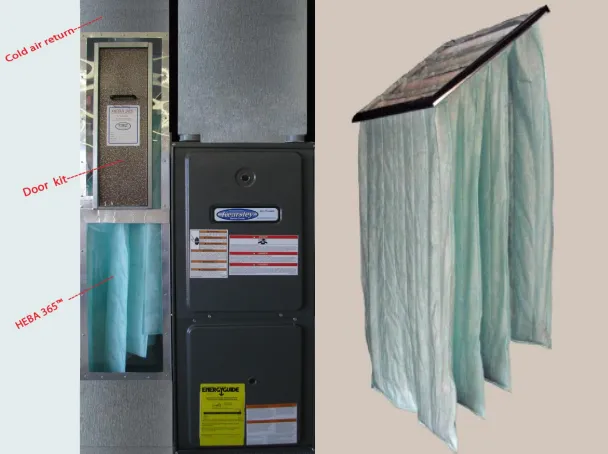
- Inspect all filters
- Inspect all breakers and fuses
- Check the compressor fan and blower motor
- Inspect refrigerant lines
- Inspect drain pump
- Calibrate the thermostat
- Inspect auxiliary drain pan
How Often Should I Have an AC Tune Up?
Today’s heating and air conditioning units are highly sophisticated systems that will deliver years of reliable service, provided they’re properly maintained. Most manufacturers recommend that you have your AC and heating units tuned up on an annual basis as a way to maximize the performance and life of your AC unit. In fact, some manufacturers require that you have your unit inspected annually as part of their warranty programs.





One Response
Most people think of fall when the weather starts to cool down, and the leaves start to change color. For some, this season also includes preparations for the winter, such as cleaning, preparing food storage areas, and fixing things that may have broken over the summer.
One item that often needs attention is the air conditioning unit. Many people don’t realize the importance of having an AC Tune-Up performed on their unit every year.
AC uses a lot of energy. When your AC isn’t working well, it uses more energy to keep your home cool or warm than it would if it was working properly. This can add up quickly and lead to higher energy bills.